What to Do When Your Home Feels Humid with AC Running All Day
A house can feel wrong in a very specific way when the air conditioner is running constantly but the rooms still feel damp, sticky, or slightly heavy. The temperature may read fine on the thermostat, yet the sofa feels clammy, the windows fog more than usual, and the air never quite loses that soft, basement-like weight even though you live nowhere near a basement. That mismatch is frustrating because the system is clearly doing something, just not the thing you need most.
When a home feels humid with AC running, the problem is often not one single failure. It can be an oversized unit that cools too fast, poor airflow, a dirty coil, a thermostat placement issue, leaky ducts, or simply a climate that pushes harder on the system than it was designed to handle. In places where indoor humidity Florida homeowners deal with is especially persistent, the cooling load and moisture load do not always behave at the same pace. The air conditioner may satisfy temperature quickly and stop before it has a real chance to pull enough moisture out of the air.
That distinction matters. Comfort is not only about temperature. Relative humidity changes how warm a room feels, how long sheets stay dry, whether cabinets swell, and whether mold starts looking for a foothold. If the AC is running all day and the house still feels humid, the answer is usually not to lower the thermostat and hope for the best. The answer is to figure out why the system is missing the moisture problem and what can be done about it.
Start with the simplest question: is the AC actually removing moisture?
A surprising number of comfort complaints come down to the system cooling the air without dehumidifying it well. Air conditioners remove humidity as a byproduct of cooling, but only when they run long enough and move air across the evaporator coil at the right pace. Short cycling, oversized equipment, or a thermostat that shuts the system off too commercial emergency ac repair quickly can leave moisture behind.
The easiest way to check is with a reliable indoor hygrometer, not just the thermostat display. If indoor relative humidity sits above about 55 percent for long stretches, the house may feel damp even if the temperature is comfortable. Around 40 to 50 percent is usually the sweet spot for most homes, though exact comfort varies by climate and personal preference. In humid regions, especially where HVAC humidity control has to work hard for months on end, staying near the upper end of that range can still feel acceptable if airflow and temperature are steady.
If the humidity is high while the AC runs constantly, pay attention to how the system behaves. Does it shut on and off in short bursts? Does it run long enough to feel steady, but the air still never gets crisp? Does one room feel worse than others? Those details point toward different causes.
Check the thermostat, but do not stop there
Thermostats can mislead people because they report temperature, not comfort. Some models also place the sensor in a location that does not reflect the house well. A thermostat mounted in direct sun, near a supply vent, or close to a kitchen can cause the system to cycle in odd ways. A hallway thermostat may satisfy too early if the rest of the house is warmer and wetter.
If your thermostat has fan settings, pay attention to them. Running the fan continuously can sometimes re-evaporate moisture sitting on the coil and back into the house, especially in humid weather. That does not always create a major problem, but it can make a marginal system feel worse. On the other hand, in some homes, a longer fan delay or a different fan mode can help keep air moving evenly. The right choice depends on the equipment and the building.
Smart thermostats can help or hurt depending on how they are configured. Some aim for energy savings and aggressive setbacks, which can let humidity drift up during the day. If you live in a climate with long humid seasons, a temperature setback that looks efficient on paper may create a sticky house by the afternoon. Small adjustments matter more than people expect. Holding a steadier temperature can sometimes reduce humidity swings more effectively than chasing the lowest utility bill.
Look for signs that the system is oversized or short cycling
Oversized equipment is one of the most common reasons a home feels humid with AC running. When the system is too powerful for the house, it cools the air quickly and shuts off before it has time to dehumidify properly. The room temperature drops, people feel a brief burst of relief, and then the humidity lingers. The cycle repeats all day.
This is especially common in homes that were renovated, had windows replaced, or added insulation without rethinking the HVAC design. A new, high-capacity unit may seem like an upgrade, but if it blasts through the cooling load too fast, comfort gets worse instead of better. The equipment does what it was told to do. The problem is that the house needed a more balanced approach.
Short cycling can also stem from control issues, a dirty filter, a frozen coil, low refrigerant, or an improperly sized thermostat differential. If the system starts and stops every few minutes, that is not normal behavior. It wastes energy, stresses components, and leaves very little time for moisture removal. A technician can measure runtime, temperature split, airflow, and static pressure to get a clearer picture than a homeowner can by sight alone.
Inspect airflow before assuming humidity is the only issue
Poor airflow can make a house feel humid in two different ways. First, it can prevent the system from moving enough air across the coil to dehumidify effectively. Second, it can leave pockets of stale, damp air in parts of the house that never mix properly with the conditioned air.
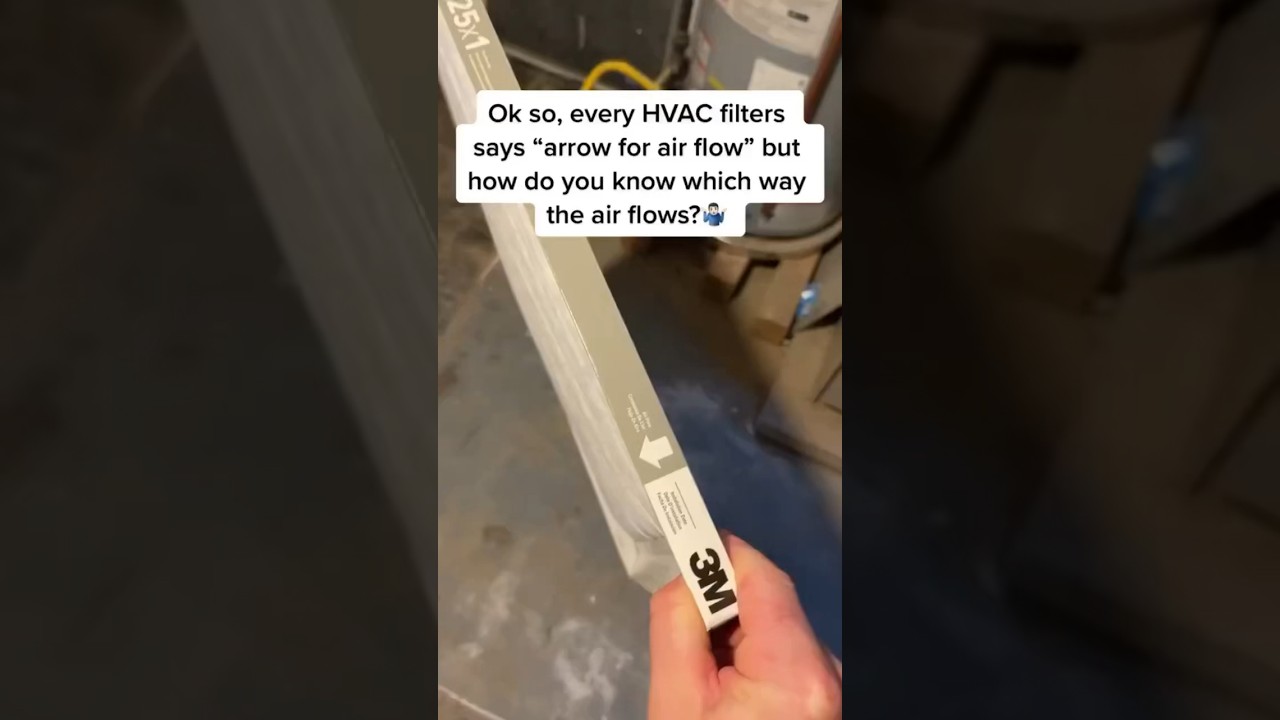
Dirty filters are the obvious culprit, but not the only one. A clogged return grille, blocked supply registers, crushed flex duct, or a failing blower motor can all reduce airflow. Even furniture pushed too close to a return can matter more than people think. In a tight home, an HVAC system depends on free movement of air to do both jobs, cooling and moisture removal.
If one room feels muggy while the rest of the house is tolerable, start looking at the room’s supply and return path. Bedrooms over garages, converted bonus rooms, and additions are notorious for this problem. Sometimes the issue is not humidity alone. It is a room that gets weak supply air, poor circulation, and a hidden moisture source all at once. A ceiling fan can help mix the air, but it will not fix a duct that barely delivers conditioned air to the room in the first place.
Do a quick moisture audit of the house itself
An air conditioner can only manage the moisture it can reach. If humidity keeps entering the home, the system may never catch up. Window leaks, attic bypasses, crawlspace issues, plumbing leaks, and unsealed penetrations around vents or recessed lights can all add moisture to the indoor load.
This is where real-world judgment matters. A house can feel humid because the AC is weak, but it can also feel humid because the building envelope is fighting the AC every hour of the day. A home in a coastal or subtropical climate may draw humid outdoor air through tiny cracks around doors and windows. In some homes, exhaust fans or dryer operation can create negative pressure that pulls damp air inside. If you can smell mustiness near closets, baseboards, or supply vents, do not ignore it.
People often focus on humidity in the living areas and forget the attic, garage, laundry room, or crawlspace. Those spaces influence the rest of the house far more than most expect. A damp garage with a shared wall can make a nearby room feel clammy. A leaking condensate pan or blocked drain can keep moisture cycling inside the system. Even a small roof leak can create a lingering humidity problem that looks like an HVAC issue until the staining or odor gives it away.
When the equipment is running all day, maintenance becomes nonnegotiable
An AC that runs all day should be the most inspected appliance in the house, not the least. If the filter is old, the coil is dirty, or the condensate drain is partially blocked, the system loses efficiency and dehumidification capacity at the same time.
A dirty evaporator coil is especially troublesome because it reduces heat transfer and airflow across a surface that should be cold enough to condense moisture. A coil can look fine from the outside and still be loaded with dust, biological growth, or residue from years of operation. The same goes for outdoor condenser coils, which affect overall system performance even though they do not remove indoor moisture directly.
The condensate drain deserves attention too. If the drain line is partially clogged, water may back up and sit where it should not. That can create odors, water damage, or intermittent shutdowns if the safety float switch trips. I have seen homes where the owner assumed the AC was “working hard” because it ran nonstop, but the real issue was a drain pan filling slowly while humidity climbed in the house.
Routine service is not magic, but it catches a lot of the failures that create moisture complaints. In humid climates, a system that is barely maintained will feel weak long before it actually stops cooling.
Understand the role of a whole-home dehumidifier
Sometimes the honest answer is that the air conditioner alone is not enough. That is where a whole-home dehumidifier can make sense. It is not a gimmick, and it is not just for tropical houses or luxury renovations. It is a practical tool when cooling and moisture removal need to be separated.
A whole-home dehumidifier works alongside the HVAC system and targets humidity directly. That can be useful when the house cools down quickly but still feels damp, or when the cooling load is light but moisture stays high. Shoulder seasons are a classic example. The temperature may be mild, so the AC barely runs, yet the air feels sticky. In that situation, the home can feel worse with air conditioning than without it because the system never stays on long enough to wring out moisture.
There is a trade-off, of course. A whole-home dehumidifier adds cost, space requirements, and maintenance. It also uses energy. But for homes with chronic indoor humidity Florida residents recognize immediately, it can be the difference between a house that merely cools and a house that truly feels dry enough to live in comfortably. It can also reduce how hard the main AC has to work, which sometimes improves the lifespan of the whole setup.
A good contractor will not suggest a dehumidifier as a first reflex. It makes more sense after confirming that the ductwork, refrigerant charge, airflow, and building envelope are reasonably sound. When those pieces are already decent and the humidity still remains stubborn, the dehumidifier becomes a targeted solution instead of a bandage.
Pay attention to your daily habits
Household routines can push humidity higher without anyone noticing. Long showers without exhaust fans, boiling water for extended periods, lots of indoor laundry, and frequent cooking can all add moisture to the air. Even plants, aquariums, and open water containers can contribute, though usually less dramatically than people imagine.
Bathrooms are a frequent weak point. If an exhaust fan is noisy, weak, or never used, the shower’s moisture spreads through the house. In homes with tightly sealed doors and strong AC, that moisture can linger in bedrooms and closets for hours. Laundry rooms can create a similar effect if dryer venting is poor or if warm, wet clothes sit too long before drying.
The point is not to live like a machine. It is to notice which parts of the day make the house feel heavier. A home that feels fine in the morning and sticky by evening is telling you something useful. Track when the comfort breaks down, then match that against shower times, cooking, laundry, and thermostat settings. Patterns show up faster than people expect.
When to suspect refrigerant or a mechanical fault
A home that feels humid with AC running all day can also be dealing with a true mechanical issue. Low refrigerant charge, a failing expansion device, a weak compressor, or a sensor problem can all reduce the system’s ability to cool and dehumidify. Sometimes the system still blows air, but the coil never gets cold enough or stays cold long enough to condense moisture effectively.
A frozen coil is a classic sign something is wrong. So is a supply vent that feels only mildly cool when the system has been on for a while. If ice is visible on the indoor unit or the refrigerant lines, shut the system off and call for service. Continuing to run it can make the damage worse and dump more humidity into the home when the ice melts.
This is one place where guesswork is expensive. Refrigerant should not be topped off casually. A proper diagnosis requires measuring pressures, checking airflow, and looking for the root cause of the loss. A well-trained technician will think in terms of system behavior, not just one symptom.
Practical next steps that usually make the biggest difference
The first thing worth doing is measuring, not assuming. A cheap hygrometer in the main living area and one in a problem room can reveal whether the issue is whole-house humidity or a localized comfort problem. If humidity is consistently above 55 percent, that is useful evidence. If one room is much worse than the others, that points toward airflow or envelope issues.
The second step is to verify the basics. Replace a dirty filter, make sure vents are open and unobstructed, check that return grilles are clear, and confirm that the condensate drain is draining. If the system has been running almost nonstop, listen for unusual cycling patterns and note whether the house gets sticky mainly in the afternoon or all day long.
The third step is to bring in professional help if the issue persists. Ask for a full evaluation of airflow, duct condition, coil cleanliness, refrigerant charge, and thermostat settings. In a humid climate, the best HVAC technicians talk about dehumidification as seriously as they talk about temperature. That is a good sign. If they treat humidity as a side issue, keep looking.
A short field-tested checklist
If you want a simple way to organize the first pass, these are the checks that usually tell the story fastest:
- Confirm indoor humidity with a hygrometer.
- Replace or inspect the air filter.
- Look for short cycling or unusually long runtimes.
- Check for blocked vents, return restrictions, or weak airflow.
- Inspect for condensate drain issues, ice, odors, or visible moisture.
That short list will not solve every case, but it quickly separates the likely causes from the red herrings.
What different outcomes usually mean
When the AC runs all day and the home still feels humid, the pattern of symptoms matters. If temperature is fine but humidity is high, the system may be oversized, the fan may be moving air poorly, or the house may need dedicated dehumidification. If both temperature and humidity are high, the cooling system may be underperforming, undersized, or mechanically compromised. If only one room feels damp, think airflow, ducting, or a localized moisture source before blaming the entire HVAC setup.
There is also a seasonal pattern worth noting. During cooler months or rainy periods, some homes need more humidity management even though cooling demand is lower. That is when HVAC humidity control becomes more noticeable, because the AC no longer runs long enough to dehumidify by accident. A house can be perfectly fine in July and sticky in November for exactly that reason. The equipment did not suddenly get worse. The operating conditions changed.
A home comfort issue like this rarely resolves itself. The upside is that once you identify the cause, the fix is usually straightforward. Sometimes it is a small adjustment. Sometimes it is routine maintenance. Sometimes it is a whole-home dehumidifier, duct correction, or a smarter control strategy. The important thing is to stop treating humidity as an invisible annoyance. It is measurable, diagnosable, and fixable.
When the air feels heavy even with the AC working hard, the house is asking for more than colder air. It is asking for a system and building that can handle moisture as seriously as temperature. That is the difference between a place that merely cools and a place that actually feels comfortable to live in.
Phone:
(863) 247-0271
Website:
icecoolinghvac.com
Indoor Climate Experts
296 Lake Smart Circle,
Winter Haven,
FL
33881